 The Life Raft Group was proud to be part of “Understanding Rare Cancers: A Conversation About Sarcoma,” a webinar hosted by Black Health Matters that drew more than 600 registrants eager to learn about GIST, other sarcomas, and the unique challenges these rare cancers present within the Black community.
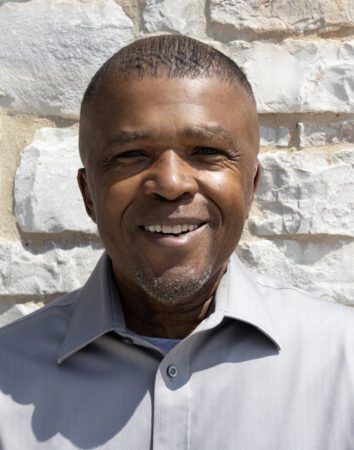
Life Raft Group Board Member and Health Equity Council member Rob Taylor joined the panel alongside sarcoma specialist Dr. Leighton Elliot and fellow patient advocate Simone I. Smith to share both the clinical realities of sarcoma and the deeply personal experience of living with a GIST diagnosis.
A Rare Cancer Hiding in Plain Sight
Dr. Elliot opened the discussion by walking the audience through the basics of GIST: how tumors can grow silently for years, why abdominal pain, unexplained fatigue, loss of appetite, or blood in the stool are signs that warrant a doctor’s visit, and why nearly one in five GISTs are discovered incidentally, often after a CT scan for an unrelated issue. He emphasized that diagnosis requires imaging followed by biopsy, and that every GIST tumor should undergo genetic (molecular) testing, both at diagnosis and again if a treatment stops working, since GIST can develop resistance over time.
Dr. Elliot then turned the discussion to health disparities: GIST is diagnosed in Black Americans at roughly double the rate seen in white Americans, yet Black patients are significantly less likely to receive the molecular testing needed to guide treatment. This gap contributes to lower survival rates overall. He was candid that the research community still doesn’t fully understand why, underscoring the need for more inclusive clinical research and greater awareness within the community itself.
 Rob’s Story: From “Six to Nine Months” to Nine Years and Counting
Rob then shared his own journey, which began in 2016 at age 60 with a seemingly routine colonoscopy referral. What followed was a difficult path: an initial surgery that couldn’t fully remove his tumor, an incorrect first line of treatment prescribed without proper mutational testing, and a devastating prognosis of six to nine months to live.
Rob described how connecting with the Life Raft Group changed the course of his care. Through LRG, he was guided toward specialized sarcoma care and ultimately connected with an oncologist who ran the correct genetic testing, leading to the right medication for his specific mutation. Nearly nine years later, Rob is not only still here, but actively advocating for the GIST community, in particular those who are in the VA and those who do not have access to a specialist.
Rob’s message to the audience was direct: get molecular testing, ask questions, and don’t navigate a GIST diagnosis alone. He pointed listeners toward resources like LRG’s Patient Registry, mentor program, and Health Equity Council as places to find community, information, and support.
Listening to Your Body
Simone Smith echoed the importance of self-advocacy, urging attendees to trust their instincts, keep up with routine screenings, and push back when something feels wrong, even if a doctor initially dismisses their concerns. Both she and Rob stressed that sharing their stories isn’t just personal healing, it’s a way to potentially save someone else’s life.
Why This Conversation Matters
With over 600 registrants tuning in, the webinar reached a broad, engaged audience, many hearing about GIST for the first time. That kind of reach is exactly why the Life Raft Group values partnerships like this one with Black Health Matters: rare cancers require targeted awareness, and communities disproportionately affected by a disease deserve information tailored to their experience.
The Life Raft Group remains committed to closing gaps in GIST diagnosis and care, supporting patients like Rob at every stage of their journey, and partnering with organizations that help bring this information to audiences who need it most.
You can view this impactful webinar below.
Black Health Matters Websites:
https://ourhealthourwellness.com/
https://blackhealthmatters.com/
Social Media:
https://www.facebook.com/blackhealthmatters/?ref=bookmarks
https://www.instagram.com/blackhealthmatters/