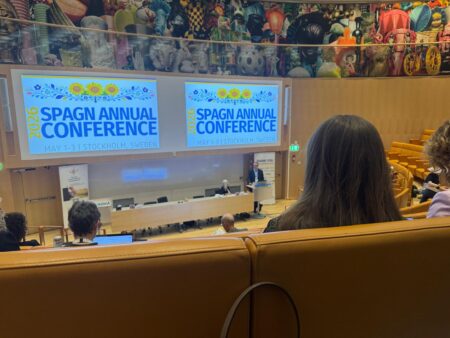
 Day one of the SPAGN Conference 2026 centered around the message: patients need to be part of the conversation when it comes to improving sarcoma care and research. There were a lot of discussions about making support more accessible, improving collaboration in research, and how patient-reported outcomes are helping shape treatment decisions and policies.
It was also inspiring to hear about the work patient organizations are doing through awareness campaigns, registries, support programs, and advocacy efforts. One thing that kept coming up throughout the day was the importance of treating the whole patient, not just the disease, but the emotional and practical challenges that come with it too. Overall, the day reinforced how much progress depends on patients, researchers, doctors, and advocates working together.
Day two focused a lot on how patient organizations are becoming true partners in research and advocacy, not just participants. It showed how SPAGN has grown into such a strong international network involved in research, policy, clinical trials, and awareness efforts around the world.
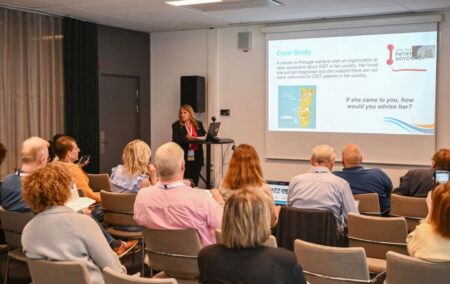 A theme that really stood out was that lived experience matters and should be recognized as expertise. Speakers talked about how involving patients in meaningful ways improves research, study design, and ultimately patient care. There was also a strong focus on the need for earlier diagnosis, better access to specialized sarcoma centers, and more global collaboration. The overall feeling from the day was hopeful. By building connections and learning from each other, real progress is happening.
Day three focused on collaboration, care, and what happens after treatment ends. One discussion that impressed me was about adolescents and young adults (AYA) and the long-term emotional impact cancer can have. For many patients, the emotional processing doesn’t fully happen until after treatment is over.
The conversations throughout the day also reinforced the importance of individualized care, second opinions, multidisciplinary teams, and making sure patients truly understand their treatment options. One of the biggest takeaways from the conference was that improving sarcoma care is about much more than better treatments, it’s about supporting patients through every part of the journey, before, during, and long after treatment.